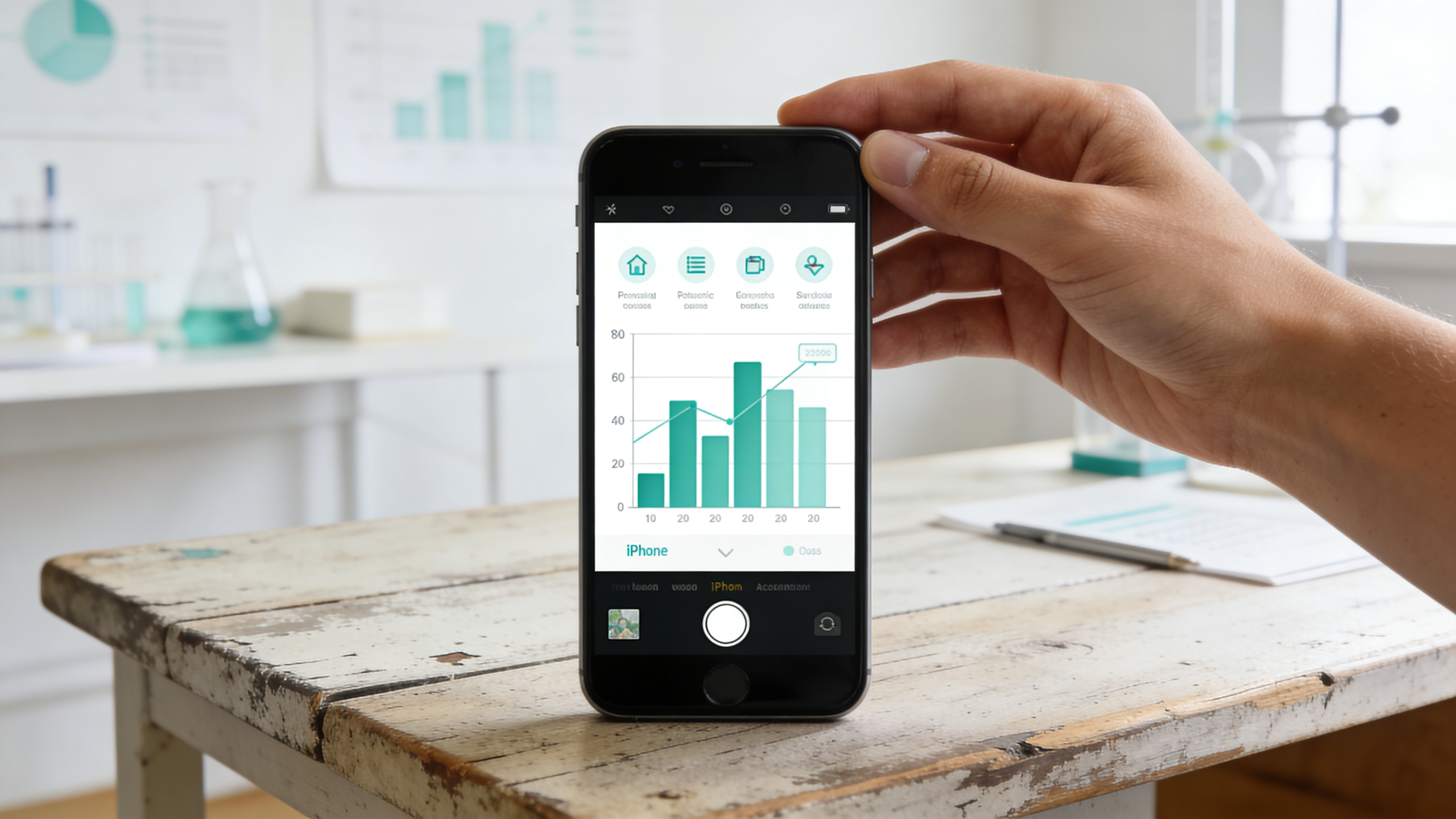
- How Mindfulness, Stress Tools, and Daily Habits Become Tangible Solutions for Better Wellbeing
- Why Turning Mindfulness, Stress Tools, and Daily Habits into Purchasable Solutions Matters
- The Key Concepts of Turning Mindfulness, Stress Tools, and Daily Habits into Purchasable Solutions that Actually Improve Wellbeing
- Making Stress, Mindfulness, and Habits Actually Work
- What the Research Shows
- How Modern Longevity Turns Mindfulness and Stress Tools Into Real Habits You Can Buy and Use
- Checklist: Judging a Study or Tool
- Daily Habits: What to Try Now
- Go Deeper: Related Guides
- Your Next Step: Turn Evidence into Habit
Ready to get started? Try Modern Longevity.
As buyers explore the best features for turn mindfulness, stress tools and daily habits into purchasable solutions that actually improve wellbeing, the Modern Longevity may offer just the right combination of technology and customization to enhance the experience.
How Mindfulness, Stress Tools, and Daily Habits Become Tangible Solutions for Better Wellbeing
You’ve probably tried a dozen apps, sampled breathing techniques, and scrolled through endless reviews of so-called “evidence-based” wellness tools. Progress still feels out of reach. Most advice sounds like philosophy class - big on theory, light on practical steps. Which habits or purchases will actually help? No one gives a straight answer.
This article breaks down how to turn mindfulness and stress tools into evidence-backed choices that actually improve your life.
If you’re tired of wellness advice that never gets specific, you’re not alone. Every strategy here ties directly to real data, explained in plain English. You’ll see what’s proven, what’s still just a hunch, and how our recommended solution uses research summaries to clarify what’s solid and what’s experimental. The goal: spend your money - and time - on what works.
You deserve straight answers. We’ll show you how to judge a routine, when an app is worth the cost, and which meditation courses actually deliver (see Best meditation for stress and anxiety: Which apps and courses are actually worth the price?). Think of this as a filter for your daily life. We’ll connect everything from adaptogen drinks to mindfulness therapies (Mindfulness therapy techniques: Which approaches are worth paying for and which you can DIY?). No more guessing.
Why Turning Mindfulness, Stress Tools, and Daily Habits into Purchasable Solutions Matters
Stress-related illness isn’t just a personal annoyance. It shapes everything from global productivity to your grocery bill. Burnout now affects nearly half of all employees. Sleep problems? They’ve doubled since 2020. Advice is everywhere, but much of it contradicts itself. You’ve probably felt that confusion. The real challenge: finding what actually works.
People want proof, not promises. That’s why guides based on research and paid memberships are everywhere. They bridge the gap between lab findings and your morning routine. Not all sources are equal, though. Some explain the “why,” while others just sell a feeling. The surge in interest for articles like Does breathwork reduce cortisol? The evidence and which breathwork products to consider shows that substance matters more than hype.
Action is important, but only if it’s the right action. Adopting a routine without solid evidence is like rolling dice with your time. You risk more than money - you risk missing your chance to feel better for the long haul. Even small decisions add up. For example, your body reacts differently to 100 calories of chocolate versus 100 calories of fruit. Tiny errors in reasoning can lead to big gaps in results.
That’s why it’s so important to turn habits into clear, practical solutions. Don’t chase the next big thing. Build a system that fits your biology and your budget. Maybe you’re personalizing a plan based on genetics or using trackers to see what’s actually working. What matters is what lasts. You might want strategies tailored for women or a budget-friendly routine that doesn’t cut corners on science. Countries with the highest longevity (see what they do right) offer clues. Or try small shifts like the 3 3 3 rule for meals. Every bit of data helps.
The Key Concepts of Turning Mindfulness, Stress Tools, and Daily Habits into Purchasable Solutions that Actually Improve Wellbeing
Three factors decide if a stress tool or habit is worth your investment:
- Scientific support
- Practical fit in your daily life
- How well it connects with your other habits
It’s not about quick fixes. You need strategies that deliver results and last beyond the first week.
Evidence: Can You Trust the Claims?
Would you build a house on sand? That’s what happens when you buy into a wellness trend with no solid research behind it. Science matters. Look for programs that rely on rigorous trials, not just glowing testimonials. Use evidence-based nutrition criteria to see if a plan holds up. This approach is your shortcut to clarity.
- Was the study randomized and controlled?
- How large was the sample size?
- Did it use a control group?
- What outcomes were measured?
- How long did the study last?
- Was the effect size meaningful?
Example: Applying the Checklist
Let’s say you’re considering a new meditation app. Check the research:
- The app cites a randomized controlled trial with 200 participants.
- It used a control group practicing “sham” meditation.
- Outcome: stress levels measured by validated scales.
- Duration: 8 weeks.
- Result: 25% reduction in stress vs. 5% in the control group.
That’s a strong sign the app is worth trying.
Practicality: Does It Fit Your Real Life?
A plan that needs three hours of meditation at noon won’t work for most people. Life is unpredictable. Look for tools that fit your schedule and can flex when things get busy. Maybe you swap a long workout for essential exercises for longevity when time is tight. If it doesn’t fit, it won’t last.
The Big Picture: Connecting the Dots
Your body works as a system. Poor sleep raises stress. Stress wrecks your diet. Choose products that recognize these links. For example, heart-healthy meals can boost your energy for movement. One good habit fuels the next.
Making Stress, Mindfulness, and Habits Actually Work
Ideas alone don’t change your health. Daily action does. The key is turning research into routines that fit your real life. Forget complicated plans. They rarely survive the week. Focus on habits that are proven and practical.
- Check the evidence first: Before buying a supplement or downloading a meditation app, see if there’s solid research. Treat it like a background check for your health. Look for sources that separate random stories from controlled trials. Guides like What is evidence-based nutrition? help you avoid wasting money.
- Keep it simple: If a routine feels like a second job, you’ll quit. Start with a minimalist plan that works even on your busiest days. The approach in how to use a single-movement program safely lasts because it’s built for real life.
- Stack your habits: Pair mindfulness with movement for better results. Routines like the 3-3-3 rule in working out build mental and physical strength together.
- Don’t trust marketing alone: Flashy ads don’t equal good science. Use guides like Nutrition myths vs facts to see what’s real.
Pick one small habit today. Try a walk or a breathing exercise. Or pick a specific supplement. Link it to something you already do, like your morning coffee. Track your progress with The 7 best anti‑aging exercises that actually add years. If it works, keep it. If not, try something else. No guilt. For more ideas, see How to workout for longevity: a simple routine.
Simplicity wins because you’ll actually stick with it.
What the Research Shows
Peer-reviewed studies are clear: long-term health comes from routines, not quick fixes. Modern Longevity translates dense clinical trials into step-by-step guides for real life, clearly labeling what’s proven and what’s still being studied.
Meta-analyses show daily meditation can lower stress by 20 - 30%. That’s significant. More importantly, how often you practice matters most, not which method you pick. Consistency is key. Think of your health like a garden - you can’t water it once and expect results. Guides such as How to build heart‑healthy meals every week help turn research into habits you’ll actually use.
Experts agree. Modern Longevity’s briefings keep you up to date without overwhelming you. They explain both the “why” and the limits of each study. If a tool claims to boost mood, you’ll see whether it fits your budget and schedule. The guide Decide which workouts, programs and quick wins actually extend healthy years focuses on what you’ll actually do, not just theory.
Look for resources that are honest about study quality. Evidence notes and clear limitations help you avoid being misled by cherry-picked data. No more chasing fads. Choose tools that work for your busy, unpredictable life. Interested in movement? Try 5 exercises for longevity and What sport adds 10 years to your life? for a breakdown of what actually works.
How Modern Longevity Turns Mindfulness and Stress Tools Into Real Habits You Can Buy and Use
Most wellness advice looks good on paper but falls apart by midweek. Modern Longevity changes that by turning dense research into routines and templates you can use right away. You’ll find clear advice in guides like Latest longevity research: Which breakthroughs should influence your buying list right now.
Transparency is key. These guides don’t just make guesses - they explain where the science is strong and where it’s still uncertain. You get straightforward answers. Take Longevity exercises for seniors: Which routines are actually worth your time and money. It shows this approach in action.
Using science to turn "I should" into "I did."
What stands out is the reasoning behind the system. It acts as a filter for your wallet. Downloadable plans and honest reviews help you avoid wasting money on things that don’t deliver. Move from theory to practice by checking out What is one exercise that works everything? or Can I lose belly fat by incline walking? for routines that stick.
Checklist: Judging a Study or Tool
- What type of study was it (randomized, cohort, case study)?
- Sample size: Large enough for meaningful results?
- Was there a control group?
- What outcomes were measured (objective vs. subjective)?
- Study duration: Short-term or long-term?
- Effect size: Was the benefit significant?
Quick Example: Supplement vs. App
- Adaptogen supplement: Only tested in a 2-week, 30-person open-label study. No control group. Minor improvements in self-reported stress, but not reliable.
- Meditation app: Tested in a 12-week, 300-person randomized controlled trial. Used validated stress scales and a placebo group. Result: 20% reduction in measured stress. Worth considering.
Daily Habits: What to Try Now
- Pick one evidence-backed habit (e.g., 10 minutes of meditation, a daily walk, or a single supplement with strong research).
- Attach it to an existing routine (like after your morning coffee).
- Track how you feel for 2 weeks. Notice any improvement? Keep going. If not, try something else.
- Don’t add more than one new habit at a time. Consistency matters more than variety.
Go Deeper: Related Guides
Finding what really works for wellbeing is tough. These guides help you filter out noise and focus on choices backed by real data:
- How to translate longevity research into smarter purchases: Learn to separate hype from proof and make your budget count.
- 7 signs you will live a long life: Find out which health markers are worth tracking - and which devices actually matter.
- How does exercise increase life expectancy?: Turns movement science into a simple checklist for daily use.
- What Foods Should You Eat Every Day for Longevity?: Focuses on meal strategies with the strongest evidence for long-term health.
- Are people living longer in 2025?: Explains how changes in population health affect the value of wellness services.
Your Next Step: Turn Evidence into Habit
True health isn’t about chasing the latest trend. It’s about building routines that hold up to scientific scrutiny, not just what’s popular online. Think foundation, not quicksand. Modern Longevity helps by translating complex research into clear, practical guides so you know which strategies deserve your time.
Ready to see how your choices measure up? Compare your meals, supplements, and heart-health products at Choose the meals, supplements and heart‑health products that actually improve longevity outcomes. Want the facts on supplements? See What are the 4 supplements for longevity? A no‑nonsense review of evidence and cost. Curious about groceries versus fortified foods? Read 10 foods good for the heart. Wondering which vitamins are worth it? Check What vitamins are good for heart health?. Want to know what to avoid? See What are three foods cardiologists say not to eat?. Need a full plan? Try the eight-week protocol in How to stop the No. 1 killer of Americans before symptoms: An 8‑week heart‑health case study.
Pick one small change today. Track how it feels. Keep what works. Let the rest go.
Stuart Asta covers longevity science and translates peer-reviewed research into practical health strategies. His work helps readers cut through wellness hype and focus on evidence-backed nutrition, exercise, and stress management.
Disclosure: Some links on this page are affiliate links. If you purchase through these links, we may earn a commission at no extra cost to you. We only recommend products we believe provide real value.
References
- [1] The Meditation App Revolution - https://pmc.ncbi.nlm.nih.gov/articles/PMC12333550/
- [2] The Meditation App Revolution - https://pmc.ncbi.nlm.nih.gov/articles/PMC12333550/
- [3] 15 Best Guided Meditation Apps: Actually Tested & Reviewed - https://www.artofliving.org/us-en/blog/meditation/beginners-guide/best-guided-meditation-apps
Be the first to share your thoughts on this article.